Introduction
Understanding permits and codes is essential to a safe, durable attic fan installation in California. From electrical standards to roof penetrations and wildfire considerations, compliance protects your home and streamlines inspections. This guide covers the key requirements that typically apply to attic fan projects across the state and how to prepare for plan review and inspection. If you choose to work with a specialist for attic fan installation, use this overview to discuss scope responsibilities, documentation, and inspection timing with clarity.
While local amendments vary, the core concepts remain consistent: adequate intake and exhaust, weatherproof roof detailing, and electrical safety. By aligning your project with these principles, you reduce the risk of moisture problems, roof leaks, or electrical hazards and make your home more comfortable and resilient.
Permitting Basics
Many California jurisdictions require permits for new roof penetrations and electrical work associated with attic fans. The permit process typically involves an application describing the scope and equipment, followed by one or more inspections. Early in planning, determine whether your project is solar-powered, hardwired, roof-mounted, or gable-mounted, as these factors influence documentation. In some areas, minor work on existing gable vents may have different requirements than cutting new openings through the roof.
Electrical Safety and Compliance
For hardwired units, plan the circuit size, overcurrent protection, and switch or control locations according to local electrical rules. Use conductors and protection methods suitable for attic temperatures and routing through framing members. Ensure boxes and connections are accessible and properly labeled. If you install controls such as thermostats or humidistats, mount them in reachable locations and route wiring neatly with appropriate strain relief.
Roof Penetrations and Weatherproofing
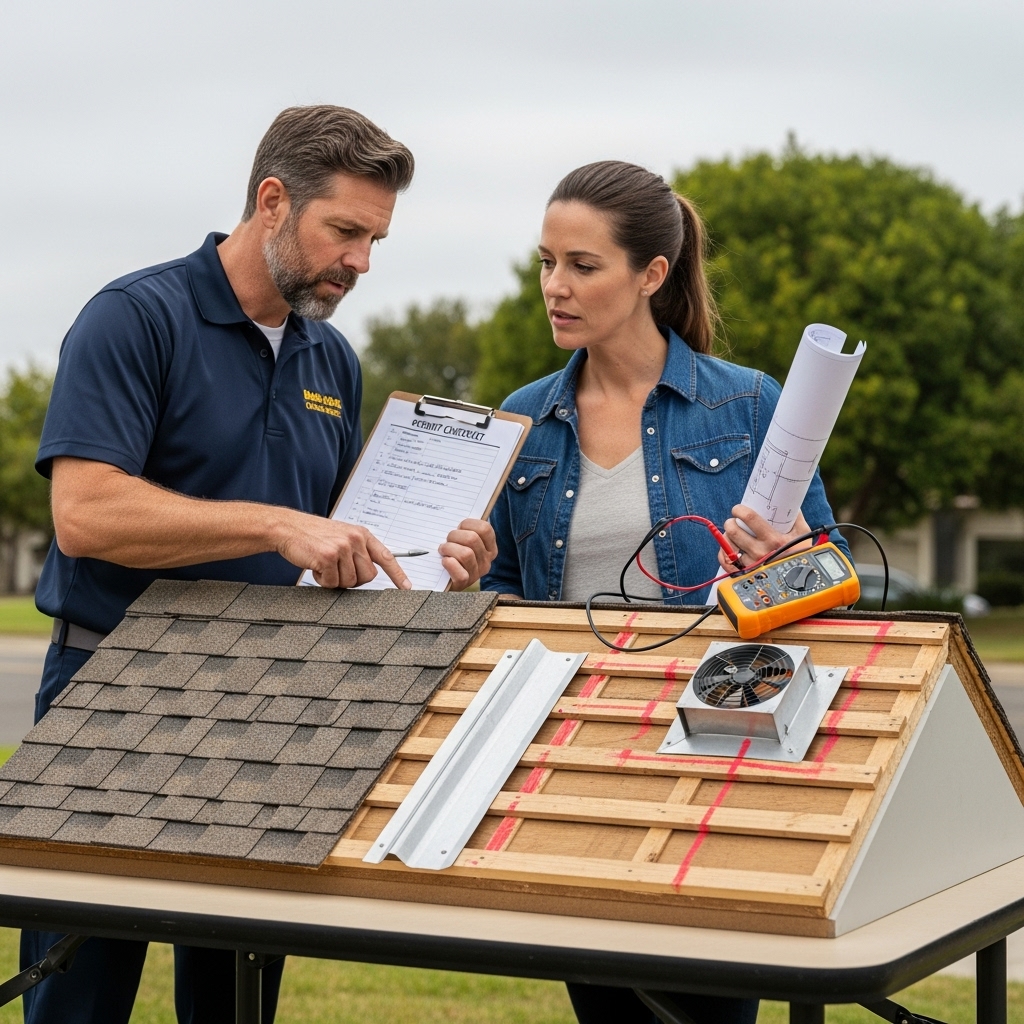
Roof penetrations must be flashed to shed water reliably. The upper portion of flashing tucks under higher courses of roofing, and lower edges overlay shingles or tiles to guide water away. Integrate flashing with underlayment using shingle-style overlaps. Sealants complement mechanical overlaps but do not replace them. On tile or metal roofs, specialized flashings or curbs may be required to accommodate roof profiles and thermal movement. Document the flashing sequence with photos for inspection and future maintenance records.
Ventilation Balance and Intake Requirements
Balanced ventilation is a core performance and code consideration. Provide adequate intake—usually through soffit or eave vents—to support the fan’s exhaust capacity. Without sufficient intake, the fan can depressurize the attic, drawing conditioned air from living spaces and reducing efficiency. Maintain clear channels above insulation with baffles to prevent blocking. Where ridge vents are present, evaluate whether they should remain open or be modified to avoid short-circuiting airflow near the fan.
Solar Installations
Solar attic fans concentrate on panel orientation, mounting security, and wiring protection. Place the panel for optimal sun exposure and fasten per manufacturer instructions with corrosion-resistant hardware. Protect any wiring penetrations with grommets and compatible sealants, keeping conductors tidy and secure. Some jurisdictions treat solar fans differently than larger photovoltaic systems but still require attention to roof attachments and weatherproofing details.
Wildfire and Environmental Considerations
In designated wildfire zones, ember-resistant screening and certain roofing materials are common requirements. Verify that any vents or openings include appropriate screens and that the fan assembly does not compromise the roof’s fire-resistant rating. Coastal environments may call for corrosion-resistant fasteners and housings to withstand salt air. High-wind areas can influence fastener selection and flashing details to maintain a secure installation.
Structural Considerations
Cutting a roof opening requires awareness of framing layout. Avoid cutting rafters or trusses unless engineered reinforcements are designed. Confirm that the chosen location maintains structural integrity and allows for proper fastening of the fan housing and flashing to the deck. On tile roofs, plan for tile adjustments and ensure that pans or flashings support the tile above without introducing point loads that could crack materials.
Coordination With Other Systems
Attic fans should not interfere with other exhausts or intakes. Ensure that bathroom or kitchen vents discharge outdoors and are not recirculating within the attic. Maintain clearances from chimneys, flues, and appliance exhausts to avoid backdrafting or cross-contamination. If your home has whole-house fans or ridge vents, evaluate the combined effect to prevent short-circuiting or unintended airflow paths.
Inspections: What Officials Commonly Check
- Flashing Integration: Confirmation that flashing overlaps and underlayment tie-ins shed water properly.
- Secure Mounting: Fasteners are appropriate for the roof type and installed as specified.
- Electrical Safety: Protection, connections, conductor types, and accessible controls.
- Ventilation Balance: Presence of adequate intake vents and unobstructed airflow channels.
- Fire and Environmental Measures: Ember-resistant screening, corrosion resistance in coastal areas, and wind considerations where applicable.
Documentation and Submittals
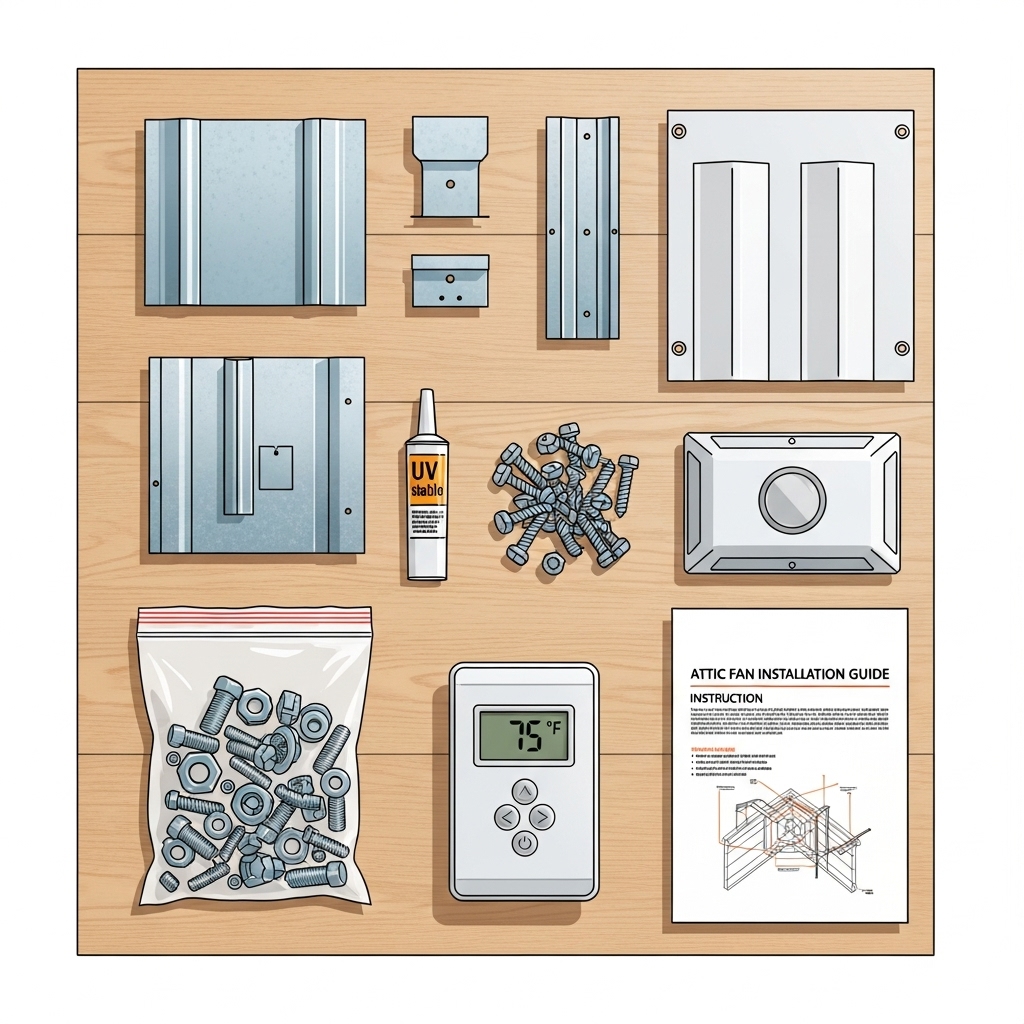
Prepare product literature that details airflow capacity, materials, and installation instructions. Include diagrams for flashing and wiring, and note any local amendments you must follow. If you have multiple attic sections, provide a simple plan view showing fan placement and intake sources. Photographs of the installation steps can be helpful for final inspection and future maintenance.
Maintenance Expectations
Permits address the installation, but long-term success depends on maintenance. Plan seasonal checks to verify that fasteners, sealants, and flashing remain intact, intake vents are unobstructed, and controls function as intended. After storms or heat waves, quick visual inspections help spot issues early and protect your roof.
Common Pitfalls to Avoid
- Insufficient Intake: Powerful fans without matching intake can reduce efficiency and comfort.
- Overreliance on Sealant: Proper flashing geometry is essential for longevity.
- Poor Coordination With Other Vents: Avoid recirculation or exhaust conflicts that diminish performance.
- Ignoring Structural Layout: Do not cut or weaken framing members without proper engineering.
- Skipping Permits: Bypassing required permits can complicate insurance claims and future home sales.
Frequently Asked Questions
Do I always need a permit? Many jurisdictions require one for electrical work or new roof penetrations. Confirm with your local building department to avoid delays.
What inspections should I expect? Typically, officials look at flashing, mounting, electrical safety, and ventilation balance. Some areas also check for ember-resistant features and corrosion-resistant materials.
Can I place the fan anywhere near the ridge? Placement should respect clearances from ridges, hips, and other penetrations. Position the fan to encourage airflow from soffit intakes rather than pulling from nearby openings.
Will the fan affect other exhausts? It can, if not planned carefully. Keep bathroom and kitchen exhausts isolated and ensure they discharge outdoors. Evaluate whole-house fans and ridge vents to prevent short-circuiting.
Are solar fans treated like rooftop PV systems? Solar attic fans are typically simpler and may follow different rules, but roof attachments and weatherproofing still matter and may be inspected.
How can I prepare for inspection? Have documentation ready, keep the work area tidy, label controls, and photograph flashing and wiring details to answer questions efficiently.
Take the Next Step With Confidence
If you are planning a code-compliant attic fan project, consider a professional assessment to verify intake ventilation, flashing details, and electrical safety. Coordinating permits and inspections is easier when you work with experts who handle these steps daily. For a streamlined, inspection-ready experience, consult specialists in attic fan installation and protect your roof for the long term.