Introduction
Selecting the right attic fan installation kit is the single best way to ensure a smooth project and dependable performance in California’s varied climates. From inland heat waves to coastal moisture, the kit you choose must balance airflow, durability, and weatherproofing without complicating installation. This guide explains how to evaluate kits for different roof types, what components to prioritize, and how to compare features that influence long-term outcomes. If you ultimately decide to hire a pro for attic fan installation, these criteria will help you assess proposals and ask the right questions before committing.
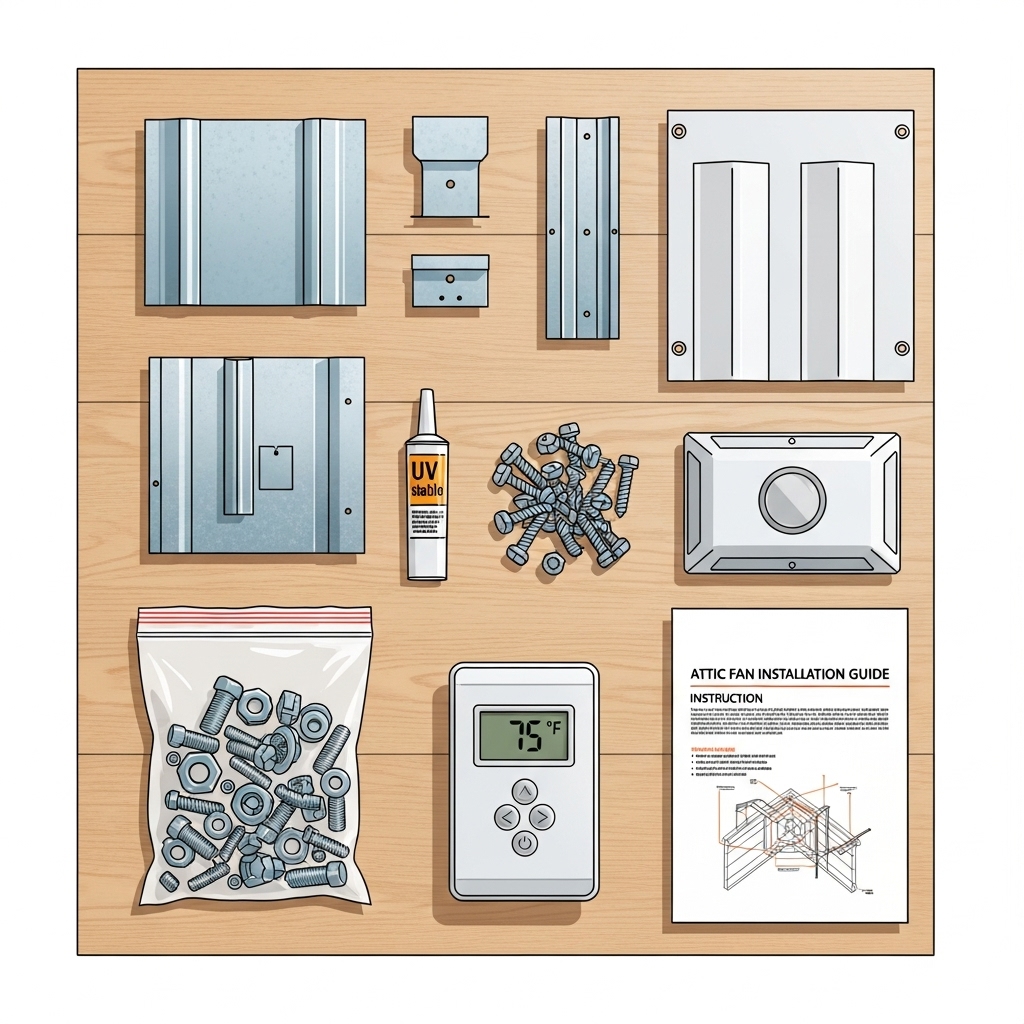
An installation kit is more than a fan and a box of fasteners. The best kits include well-designed flashing, compatible sealants or butyl tapes, corrosion-resistant hardware, appropriate screening, and clear instructions that align with California’s building practices. Paying attention to these details up front saves time on the roof and reduces call-backs later.
Start With Your Roof and Attic
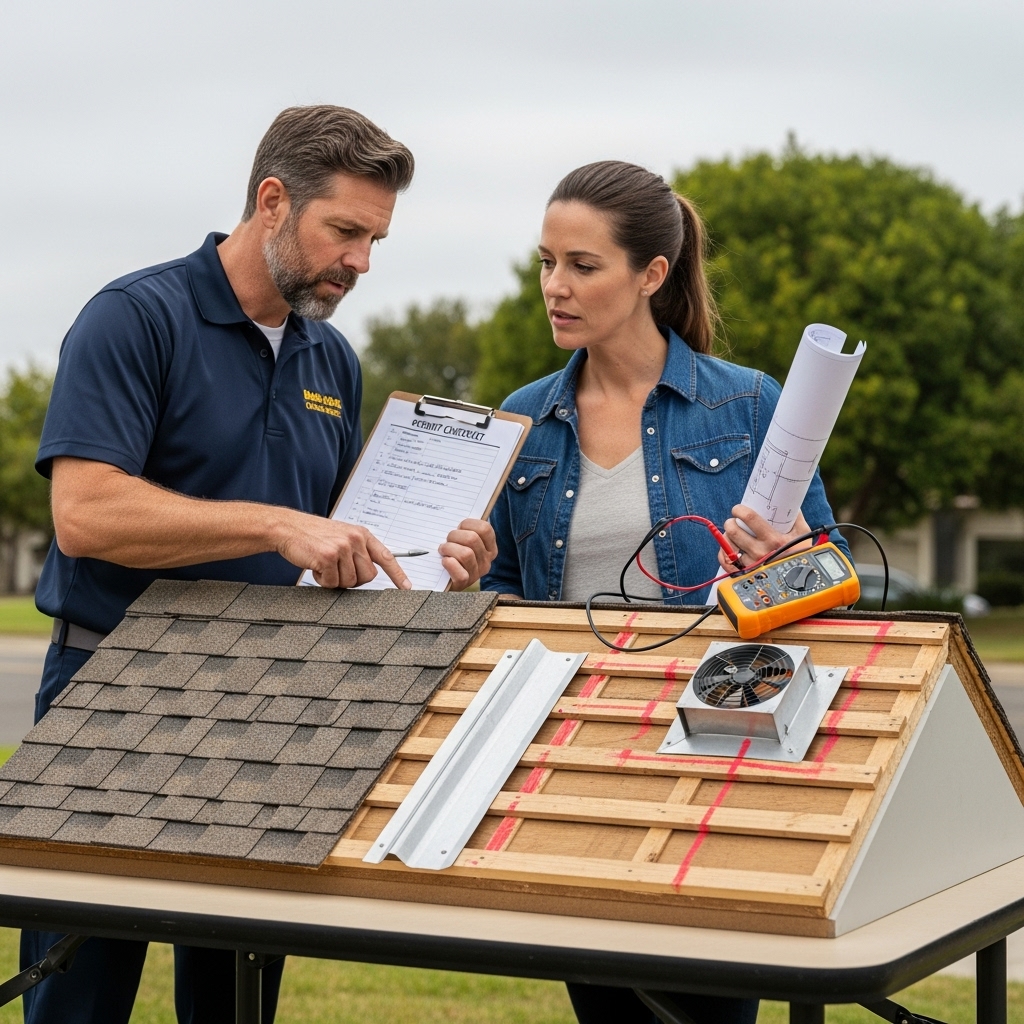
Every kit must match the surface it penetrates. Asphalt shingle roofs are common and relatively straightforward with standard flashings. Tile roofs require specialized pans or flashings to bridge tile profiles and protect the underlayment. Metal roofs vary widely; some demand custom curbs or gaskets to manage expansion and water shedding. Inside the attic, note clearance, insulation depth, and obstructions that could influence fan sizing and placement. The roof system and attic geometry together determine your best kit options.
Fan Type and Power Source
Consider how the fan will be powered and controlled. Solar-powered units offer significant benefits in sunny California, particularly when electrical access is difficult. Hardwired fans provide consistent performance regardless of weather and can integrate with a wider variety of controls. Gable-mounted fans may be convenient if you have suitable gable openings and want to avoid new roof penetrations. Roof-mounted units typically exhaust air near the ridge and are favored for hot attics with clear paths from soffit intakes.
Airflow and Sizing Considerations
Airflow capacity must align with attic volume and intake availability. Oversized fans without corresponding intake can create negative pressure and pull air from the living space. Undersized fans may not keep up with inland heat. A good kit will state airflow ratings clearly and offer guidance on intake requirements. Look for documentation that addresses complex roofs with multiple attic sections, where more than one fan or a distributed approach could be necessary.
Flashing Quality and Weatherproofing
Flashing is the heart of a durable installation. Evaluate the flashing’s thickness, compatibility with your roof material, and how it integrates with underlayment and roofing courses. The kit should include clear instructions for shingle-style overlaps and specify sealants that complement mechanical water-shedding details. Avoid kits that rely on sealant alone instead of proper flashing geometry—especially important in regions that see heavy winter rains and wind-driven storms.
Materials Built for California
Sun, salt air, and temperature swings are hard on materials. Look for UV-stable housings, powder-coated or stainless fasteners, and corrosion-resistant screens. In coastal zones, additional corrosion resistance is valuable. In wildfire-prone areas, ember-resistant screening and compliance with local requirements may be necessary. Check that the kit’s documentation addresses these regional considerations.
Noise and Motor Design
Quiet operation is a hallmark of quality. Kits that feature balanced blades, aerodynamic housings, and isolation mounts tend to be quieter. Brushless or sealed motors can extend service life and reduce maintenance. Look for published noise characteristics and design features that minimize vibration transfer into the roof structure.
Controls and Smart Features
Thermostats and humidistats automatically trigger the fan based on conditions, improving comfort and moisture control. Some kits offer variable speed options or smart integrations for monitoring. The right control strategy depends on your climate and goals—coastal areas often prioritize humidity response, while inland zones focus on temperature. Make sure the kit’s controls are accessible for future adjustments and maintenance.
Intake Ventilation Compatibility
No kit can overcome a shortage of intake. Review your soffit vents and ensure they provide the area needed to support your chosen airflow. Baffles at the eaves preserve clear air channels above insulation. If your intake is limited, plan to add vents or choose a fan capacity that matches existing intake. Quality kits often include guidance on the intake-to-exhaust balance required for optimal performance.
Documentation and Instructions
Well-crafted instructions save time and reduce errors. The kit should provide clear diagrams for flashing placement, roof deck cutting, and fastener locations, plus notes on integrating with underlayment. Look for callouts that address special roof types, weather windows for installation, and maintenance schedules. Quality documentation is a strong indicator that the manufacturer has designed the kit for real-world conditions.
Tile, Metal, and Specialty Roof Considerations
For tile roofs, an ideal kit includes a formed metal pan or flashing with raised edges and provisions for tile adjustments while preserving drainage. For metal roofs, confirm compatibility with the panel profile and whether a curb is required to provide a flat mounting surface. Specialty roofs may demand accessories not included in standard kits; ensure those items are readily available and compatible.
Comparing Kits: A Practical Checklist
- Fan Capacity and Intake Guidance: Clear airflow ratings with intake requirements.
- Flashing Design: Shingle-style integration with underlayment and roofing courses.
- Material Durability: UV, corrosion resistance, and robust screens.
- Motor and Noise Characteristics: Balanced blades and isolation features.
- Controls: Thermostat, humidistat, or variable speed options with accessible placement.
- Roof Compatibility: Specific instructions for your roof type.
- Documentation Quality: Diagrams, maintenance guidance, and safety notes.
Installation Support and Aftercare
Even the best kit benefits from solid support. Confirm that technical assistance is available if you have questions during installation. After the fan is installed, schedule seasonal checks to verify fasteners, sealants, and intake vents. Document the location, fan model, control settings, and roof details for future reference. Good documentation simplifies service and keeps performance consistent over time.
When a Professional Makes Sense
Tile roofs, complex geometries, and electrical planning often justify a professional installer. Experienced crews bring repeatable flashing techniques, ventilation math, and safety practices to the job. If you prefer a turnkey approach, discuss the kit’s components, how intake will be verified, and how inspections will be coordinated with a provider focused on attic fan installation. A clear scope and thorough documentation protect your roof and ensure predictable results.
Frequently Asked Questions
How do I choose between solar and hardwired kits? Consider sun exposure, electrical accessibility, and your goals for controls. Solar excels where sunlight is abundant and wiring is challenging. Hardwired offers consistency across weather conditions and broader control options.
What if my attic has multiple sections? Complex attics may benefit from multiple fans or strategic placement to avoid dead zones. Ensure intake supports the total airflow of all fans combined.
Will the fan be noisy? Quality kits emphasize balanced blades, isolation mounts, and aerodynamic housings to reduce noise. Proper installation further minimizes sound transfer to living spaces.
Do I need a permit? Many California jurisdictions require permits for electrical work and roof penetrations. Check locally and confirm inspection requirements before beginning.
Can I use a gable kit instead of cutting the roof? If your gable openings and framing are suitable, a gable-mounted kit can work well. Ensure the gable vent has the proper size and screening, and confirm intake paths are clear.
How do I maintain the system? Plan seasonal inspections to verify fasteners, seals, and clear intake vents. Clean debris from housings and make sure controls are functioning.
Move Forward With Confidence
Choosing the right kit sets the stage for durable, quiet, and effective ventilation. Evaluate roof compatibility, flashing design, airflow capacity, and controls before you commit. When you want expert help to validate sizing, confirm intake balance, or handle complex roof details, connect with California specialists in attic fan installation and enjoy reliable results season after season.